

Open-Plan Living Room Zoning Without Walls

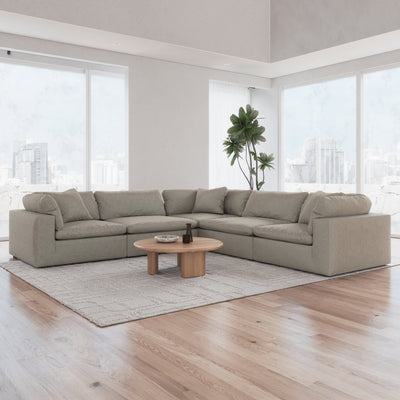

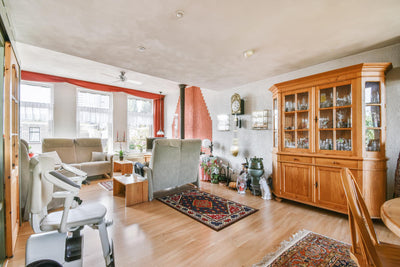
Open-plan living sounds like freedom until you live in it. Without walls, there is nothing separating the living area from the dining area from the kitchen. Sound carries. Sightlines extend. Every mess is visible from every angle. The solution is not to build walls. It is to create visual zones that function like walls without closing off the space. This is zoning, and it is the single most powerful tool for making open-plan homes livable.
This guide covers 8 specific zoning techniques, plus the rules for combining them without making the space feel cluttered.
Why Zoning Matters in Open Plans
- Function clarity: each zone has a purpose, reducing decision fatigue
- Visual calm: the eye knows where each function lives
- Better hosting: multiple activities can happen simultaneously without conflict
- Sound management: zoned spaces absorb sound better than one undifferentiated space
Technique 1: Rugs
The single most effective zoning technique. A rug under the seating area defines the living zone. A separate rug under the dining table defines the dining zone. The floor between them is the visual transition.
Sizing matters. Each rug should extend at least 6 inches past the primary furniture on all sides. For rug sizing, see our rug size guide.
Technique 2: Floating Furniture
Float a sofa away from any wall, with its back facing the adjacent zone. The sofa acts as a visual wall between living and dining or living and kitchen. Add a console behind the sofa to complete the line.
This technique alone can transform an open plan into two clear zones without any construction.
Technique 3: Paint and Wallpaper
A single accent wall, painted or wallpapered, anchors a specific zone visually. The living zone gets a deep paint on one wall. The dining zone keeps white. The eye reads the two spaces as distinct, even without a physical barrier.
Use restraint. One accent wall per zone is enough; more creates noise.
Technique 4: Ceiling Treatments
- Exposed beams in one zone create visual separation
- A ceiling cove or soffit drops the height over a specific area
- Different ceiling colors delineate zones
- A coffered ceiling over the dining area
Ceiling treatments are architectural and usually installed during construction, but they are among the most effective zoning tools.
Technique 5: Lighting
Each zone gets its own lighting plan:
- Living zone: ambient floor lamps, recessed lighting, a reading lamp
- Dining zone: a pendant light or chandelier over the table
- Kitchen zone: task lighting at counters, pendants over the island
The light sources define zones even when the space is visually unified. Dimmer switches let you control each zone independently.
Technique 6: Half-Walls and Room Dividers
A half-wall (knee wall) between the kitchen and living area provides function without closing off the space. Sightlines remain above the wall. Room dividers (slats, screens, or bookcases) can be moved or installed permanently.
Half-walls also hide stair transitions in split-level open plans. See our sofa in front of stairs guide.
Technique 7: Shelving as Division
A freestanding bookshelf or open shelving unit serves as both zone divider and storage. Open shelving (no backs) maintains sightlines. Closed shelving creates more privacy. Place at the boundary between two zones.
The key is that the shelving unit contains things (books, decor, plants), which visually anchors the division.
Technique 8: Plants
Tall floor plants (6+ feet) create soft visual barriers. A pair of large plants flanking a sofa or between the living and dining zones delineates space without feeling permanent.
Best plants for this: fiddle-leaf fig, bird-of-paradise, large monstera, or an olive tree for warmer climates.
Combining Techniques
Use 2 to 4 techniques together for best results. Typical combinations:
- Rug plus floating sofa plus pendant light (classic, works in 90 percent of open plans)
- Rug plus accent wall plus different ceiling color (for construction-ready renovations)
- Rug plus bookshelf divider plus pair of plants (renter-friendly, no construction)
Stacking too many techniques (7 or 8 layered zoning elements) creates visual noise. Keep it intentional.
Common Mistakes
- One giant rug spanning multiple zones: unifies when you want division
- Matching furniture styles everywhere: makes zones invisible
- Skipping lighting differentiation: the single biggest missed opportunity
- Forgetting sound management: open plans need rugs and soft furnishings to absorb sound
- Over-zoning: more than 3 zones in one space becomes fragmented
For broader layout strategies, see our small living room layout ideas and two focal points guide.
Modular Cloud Couches for Open-Plan Zoning
Sofatica modular cloud couches float cleanly in the center of open plans, defining the living zone without walls. The low-profile silhouette preserves sightlines.
Shop Sofatica Cloud Couches


