

Sofa Ideas for a Nursery Reading Corner

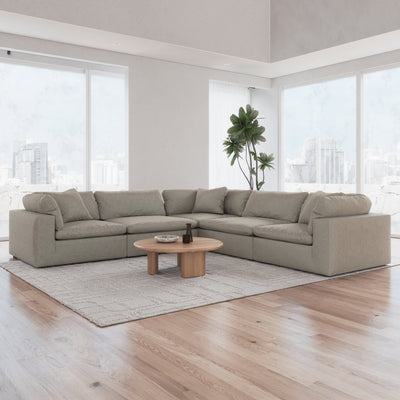
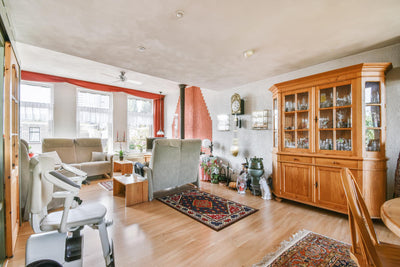

The reading corner you set up at month 1 should still serve your kid at year 5. The best ones do. They start as a feeding chair, become a story-time nest, then turn into the spot where a 4-year-old sounds out their first chapter book on their own. The wrong ones get replaced twice in three years and cost more than buying right once.
We have spent the last decade designing nursery seating for clients across studio apartments and full-floor homes. The rules below come from that work, plus 90 days of testing every sofa shape we recommend in real nursery setups with real toddlers and real spills.
This guide covers what the corner actually has to do, the 5 sofa shapes that work, the sizing math that prevents mistakes, the fabric and safety rules nobody tells new parents, and the lighting and storage pieces that turn a chair into a corner. If you are setting up a broader nursery and want to start with the room itself, read our guide on setting up a living room for a new baby first.
What the Corner Has to Do
A nursery reading corner is not one room. It is three rooms layered on top of each other, separated by 12 to 24 months. Design for one phase only and the corner stops working the moment the next phase arrives.
- Months 0 to 12: Parent comfort. The corner is a feeding station. 3 AM bottle feeds, cluster nursing, gentle rocking, sleep transfers. The seat has to support a sleep-deprived adult holding a baby for 45 minutes without back strain.
- Years 1 to 3: Lap reading. The corner becomes a ritual space. Bedtime picture books, repeat readings of the same five titles, a wriggling toddler on a parent's lap. The seat has to fit two bodies and survive board-book corners pressed into upholstery.
- Years 3 to 6: Independence. The corner becomes the child's space. They climb in alone with a stack of books, read, fall asleep, leave a juice cup behind. The seat has to be safe to climb on, easy to clean, and visually inviting at a 3-foot eye line.
The right reading corner serves all three. The wrong one is built for one phase and outgrown before the second.
The 5 Sofa Shapes That Work in a Nursery
Not every couch belongs in a nursery. These five do. Each one earns its spot by surviving at least two of the three phases above.
1. Glider with Ottoman
The classic nursery seat. The gentle rocking motion soothes infants in a way no static chair can replicate, and the ottoman lifts your legs during long feeds. Modern gliders use bushings instead of springs, which means no squeak. The trade-off is that gliders are single-occupant by design. Once your toddler wants to sit on your lap with a book, the chair feels cramped.
Best paired with: A floor cushion or low bench for toddler co-reading after year 1.
2. Armchair with Ottoman
The most versatile pick. A good armchair handles the night-feed phase as well as a glider (use a low rocking footstool if you want motion), then transitions cleanly into lap reading once the toddler arrives. Choose one with arms wide enough for a nursing pillow and a back high enough to support a head tilt during sleep transfers.
Best paired with: A side table with a dimmable lamp and a low book shelf the child can reach by year 2.
3. Small Loveseat (50 to 60 inches)
A loveseat is the long-game pick. Two-body capacity from day one means the lap-reading phase is genuinely comfortable, and the second seat gives your child a place to read independently without leaving your side. Skip this option if your nursery is under 90 square feet. The footprint is the largest of the five.
Best paired with: A washable throw and 2 floor cushions for floor-time reading.
4. Daybed
A daybed is the parent-nap option. Lie down during a long contact nap, sit up for story time, let the toddler climb on for independent reading. Daybeds work in nurseries that double as guest rooms, which is most nurseries in 2-bedroom apartments. The depth (36 inches typical) is ideal for two-body lap reading.
Best paired with: A bolster pillow at the back and a soft, washable cover.
5. Floor Cushion Setup with Low Chair
The Montessori option. A low parent chair plus 3 to 5 floor cushions creates a flexible reading nest that your child controls. This setup wins on independence and developmental fit, but does not solve the night-feed problem. Pair it with a feeding chair elsewhere in the nursery during the first year, then dismantle the feeding chair once the toddler arrives.
Best paired with: A canopy or curtain to define the corner as a child-controlled space.
Sizing for a Reading Corner That Actually Fits
Most nursery reading corners fail on math. The seat fits the room. The seat plus the ottoman plus the side table plus the lamp plus the bookshelf does not. Design the whole corner before buying any one piece.
The space requirements break down like this:
- Seat footprint: 30 to 60 inches wide depending on shape
- Ottoman clearance: 18 to 24 inches in front of seat
- Side table: 14 to 18 inches square, within arm's reach
- Bookshelf or basket: 12 to 18 inches deep, reachable from the seat by year 2
- Walking clearance: 24 inches minimum on the open side, away from crib
Total minimum corner footprint: 4 feet by 5 feet for an armchair setup. 5 feet by 6 feet for a loveseat. Anything smaller and the corner stops being usable as soon as the child can crawl. For tighter spaces, our armless sofa guide covers shapes that win in small footprints.
Fabric, Safety, and the Things That Will Be Spilled
Nursery furniture takes more abuse than any other piece in the home. Spit-up, breast milk, formula, juice, water, marker, crayon, glitter, glue. Plan for all of it. The right fabric makes the difference between a chair that lasts 5 years and one that gets covered in throws by month 6.
Performance fabric or washable covers, not optional
Crypton-grade performance fabric or machine-washable removable covers are the only two acceptable choices for a nursery reading sofa. Linen looks beautiful in the styling photos and stains permanently in real life. Velvet hides crumbs but holds spit-up smell for months. Leather wipes clean but cracks under repeated milk spills. For a deeper look at washable sofa fabric, see our guide on linen sofas that stay looking new and our fabric protector breakdown.
Non-toxic finishes
Greenguard Gold or OEKO-TEX certifications confirm the foam, fabric, and frame finishes are below the threshold of off-gassing chemicals that infants are most sensitive to. Skip any brand that will not disclose its certifications.
Rounded edges and stable bases
Sharp corners on side tables and ottomans become hazards the moment the baby starts pulling to stand. Choose furniture with rounded edges or add silicone corner guards. Confirm the seat is stable enough that a toddler can climb on without it tipping.
Cord management
The lamp cord, the white-noise machine cord, the monitor cord. Route them behind furniture, secure them along the baseboard, and use a child-safe cord-shortener if any are in arm's reach.
Lighting, Storage, and the 3 Things People Forget
The seat is one piece of the corner. The other three pieces are what make the corner usable in practice.
Lighting: 2700K, dimmable, away from the baby's eyes
Night feeds need light. The wrong light wakes the baby fully and makes the next 90 minutes harder. The right light is warm (2700K), dimmable to below 10 percent, and angled away from the infant's face. A floor lamp behind the seat with a dimmer plug is the simplest setup. Skip overhead lighting during night feeds. The contrast wakes everyone.
Book storage at two heights
Adult-reach storage for the parent during night feeds (a tall bookshelf or basket beside the chair). Child-reach storage for independent reading (a low shelf or front-facing rack the toddler can browse on their own). Plan both from day one. Adding the second shelf later is harder than starting with both. For broader storage thinking, see our sofas with storage guide.
Acoustics: white noise and squeak prevention
A white-noise machine within reach of the seat masks creaks and household sounds during sleep transfers. Confirm any rocking chair or glider is bushing-based, not spring-based. Springs squeak. Bushings do not.
How to Test a Sofa Before You Buy It for the Nursery
Spec sheets do not predict whether a chair will survive a nursery. These four tests do. Run them at the showroom, or order from a brand with a 60-day home trial.
- The 45-minute night-feed test. Sit in the seat with a 10-pound weight in your arms (substitute for an infant) for 45 minutes. Adjust nothing. If your back, neck, or arms hurt by minute 30, the seat is wrong. The right chair lets you stay still long enough to finish a feeding without waking the baby on transfer.
- The lap-read test. Sit in the seat with a 30-pound child or weight on your lap, holding a book at arm's length. The right chair leaves enough lap room for both. The wrong one forces the child to perch on the armrest.
- The transition test. Stand up from the seat 10 times in a row, simulating the night-time pattern of feed, transfer, return. The right chair is easy to stand from with a held baby. The wrong one is too low or too soft.
- The spill test. Pour two tablespoons of water on the cover. The right fabric beads or absorbs slowly enough to blot. The wrong one wicks immediately into the foam. For deeper testing context, see how often to clean a couch by fabric type.
Designing for Year 1 Through Year 6
The corner that works at month 3 will not work at year 4 if you do not plan for evolution. Here is the phased blueprint that keeps the same furniture base usable for 5 to 6 years.
- Months 0 to 12 (parent-led): Adult seat dominates the corner. Side table with dimmable lamp. Tall bookshelf or basket with adult-curated books only. Soft throw for swaddled feeds.
- Years 1 to 3 (shared): Add a low front-facing book rack at toddler eye level. Add 1 floor cushion for solo browsing. Replace any sharp-cornered side table with a rounded one. Confirm cord routing.
- Years 3 to 6 (child-led): Add a child-sized reading chair or beanbag. Move adult-reach storage to a second location. Lower lighting (under-shelf LED or low floor lamp) so the child can use the corner independently at dusk. The original adult chair stays for shared bedtime stories.
- Year 6 onward: The corner becomes a homework or quiet-time zone. Replace the front-facing rack with a regular bookshelf. The seat persists.
Mistakes Parents Make
The patterns we see repeat across hundreds of nursery setups.


