

Fabric Protectors: Which Ones Actually Work

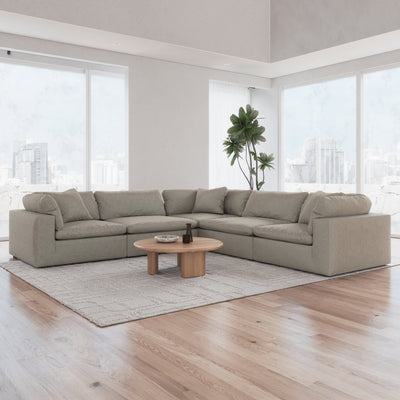


Fabric protectors are sold as magic and usually deliver half. Some work well. Some are almost worthless. Some actually damage certain fabrics. The marketing is identical across all of them. The difference is in the active ingredients, the application method, and the fabric type you are protecting. Knowing which is which prevents wasted money and damaged sofas.
This guide ranks fabric protectors by effectiveness and covers how to apply them correctly.
What Fabric Protectors Actually Do
Protectors coat fibers with a thin barrier that makes liquids bead rather than absorb. They buy you 30 seconds to an hour to wipe up a spill before it sets. They do not make fabric stain-proof. They do not repair existing stains. They reduce stain risk during normal use.
The 4 Types Compared
| Type | Effectiveness | Lifespan | Notes |
|---|---|---|---|
| Fluorine-based (classic Scotchgard) | High | 6 to 12 months | Banned in some regions due to PFAS concerns |
| Modern Scotchgard (silicone/fluorine blend) | Medium-high | 4 to 8 months | Safer formulation |
| Silicone-based | Medium | 3 to 6 months | Can change fabric feel |
| Nano-coat | High (when applied correctly) | 12 to 24 months | Expensive, professional application |
| Built-in performance fabric | Highest | Lifetime of sofa | Not an aftermarket option; built into fabric |
Scotchgard and Similar
Scotchgard is the consumer brand most people recognize. The modern formula (post-2010) is safer than the original but less effective. Applies via spray, air-dries, lasts a few months. Best for: renters, kids, pet households.
Reapply every 4 to 6 months. Weekly vacuum helps maintain the coating.
Fluorine-Based
The most effective protectors use fluorine compounds. Fluorine also creates the PFAS ("forever chemical") concern that has led to bans in some regions. Commercial-grade applications used by upholstery professionals still contain fluorine in some regions. Check local regulations and manufacturer claims.
Silicone-Based
Silicone protectors shed water effectively but not oil. Good for wine and juice spills; poor for food grease. Can change the feel of some fabrics (makes them waxy). Better for outdoor fabric than indoor upholstery.
For outdoor-specific protector needs, see our best outdoor sofas guide.
Nano-Coat Products
Professional-grade nano-coatings are the most effective aftermarket treatment. Applied by certified technicians. Cost: $200 to $500 for a sofa. Lasts 1 to 2 years. Works on nearly any fabric.
For high-value sofas where the fabric cannot be easily replaced, nano-coat is worth the cost.
Built-In Performance Fabric
The best protector is one built into the fabric itself. Crypton, Revolution, and similar performance fabrics are engineered to resist stains at the fiber level. No aftermarket coating needed. Lifetime of the sofa. Often includes stain warranties.
For cloud couch performance fabric options, see our best cloud couch dupes guide and cloud couches for kids guide.
How to Apply
- Clean the sofa thoroughly first (see our how to clean a cloud couch guide)
- Test in a hidden spot for color fastness
- Spray in long even strokes, 6 to 8 inches from fabric
- Apply 2 light coats rather than 1 heavy coat
- Air dry 24 hours before use
- Vacuum lightly after drying
When to Skip
- Delicate fabrics (silk, some wools) that may be damaged
- Vintage fabrics where chemistry is unknown
- Fabrics already treated by the manufacturer (check labels)
- Code S fabrics that may react to aerosol propellants
- Leather (use leather-specific conditioner instead)
For leather-specific care, see our leather sofas guide.
Built-In Performance Fabric Cloud Couches
Sofatica cloud couches use built-in performance fabric rated for stain resistance, water repellency, and durability. No aftermarket coating needed; the protection is in the fabric.
Shop Performance Fabric Cloud Couches


