

Cloud Couch vs Regular Sofa: 7 Differences That Matter

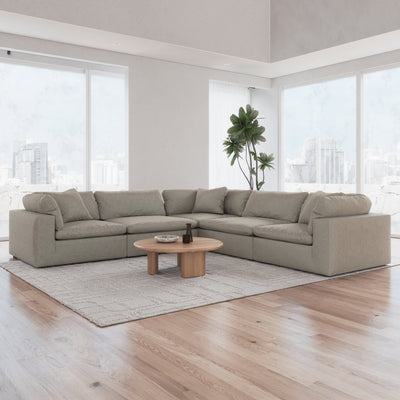

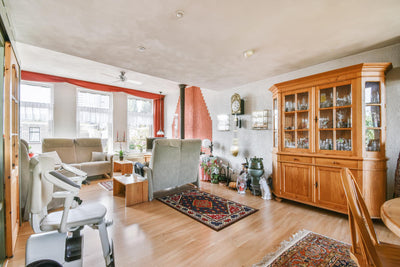
A cloud couch is not just a softer sofa. It is a different category of furniture. The seat is deeper, the cushions are filled differently, the silhouette is engineered to slouch, and the way you sit on it changes how you use your living room.
If you are weighing a cloud couch against a conventional sofa, a deep-seat sectional against a structured three-seater, or a feather-filled lounger against a foam-cushioned couch, these are the seven real differences that shape how happy you will be with your choice. We have tested both categories side by side for months, and the gap between them is wider than most product pages admit.
1. Seat Depth
A conventional sofa has a seat depth of around 21 to 24 inches. You sit with your feet flat on the floor and your back against the cushions. It is a structured seat built for posture, conversation, and the kind of upright sitting that suits dining-adjacent living rooms or formal lounges.
A cloud couch starts at 36 inches of seat depth and can stretch to 44 inches on oversized configurations like the Restoration Hardware Cloud Modular. You do not sit on it so much as sink into it. Most owners tuck their feet up, lean sideways into the corner, or stretch out fully across the seat. This is why people describe a deep-seat sofa as feeling more like a daybed than a couch.
If you are short, the depth can be a problem. A five-foot-four owner sitting all the way back will have their legs sticking out instead of bending at the knee. The fix is a firm lumbar pillow or a row of bolsters that effectively shortens the seat. Tall owners have the opposite challenge: a six-foot-three sitter loves the room, but the low arm height on most cloud couches gives nothing to rest an elbow on. Our guides to the best sofas for tall people and the best sofas for short people walk through what to look for at each end. For exact dimensions before you order, the cloud couch size guide covers every standard configuration.
2. Cushion Fill
The fill is the heart of the difference. A standard sofa uses high-density foam wrapped in polyester batting. It holds its shape, bounces back after you stand up, and keeps its silhouette for years with almost no intervention. Pinch the cushion and it springs back instantly.
A cloud couch uses down, feather, or a down-and-feather blend wrapped around a softer foam core. Premium versions use goose down, which is loftier and lasts longer than duck down. Pinch the cushion and the fill compresses; you can feel the quills shift inside the cover. This is why a cloud couch feels like a hotel bed and why it asks for regular fluffing. The softness comes at the cost of structure.
Other fills you will see in the same price range: memory foam (which conforms but does not breathe well), poly-fiber clusters (cheaper, flatter, and prone to clumping), and shredded foam (the standard for budget dupes). None of them feel quite like the real down-wrap construction. If you want more on what defines the category, our guide to what a cloud couch is breaks down the layering. If you are worried about a flat cushion years from now, the cloud couch slouch fix and our note on how to fluff flat cushions show what regular owners do to keep theirs plump.
3. Silhouette and Posture
A regular sofa is designed to look tidy. Arms are defined. The back is straight. Cushions hold a sharp edge along the front and the back pillows stand upright on their own. It photographs well even after a movie night, which is part of why traditional sofas dominate staged real-estate listings and rental homes.
A cloud couch is designed to look lived in. The cushions slouch toward the front. The back pillows flop forward into the seat. The seat cushions shift after a nap and the corners pile up with throws. This is not a flaw. It is the aesthetic, and it is the same loose California-modern look you see in Joanna Gabbana editorials and the Pinterest boards tagged "slouchy sofa" or "lived-in living room."
One practical implication: the slouch shows more on lighter and solid-color upholstery, especially performance linens and boucl�. Mid-tones and patterned fabrics camouflage the rumple. If you want a casual feel but cleaner photos, lean toward warm grays, sand, and oat tones. Our guide to neutral living room ideas and the sage green sofa styling piece both work through which finishes hold their look between fluffings.
4. Frame and Weight
Both categories use kiln-dried hardwood when the brand is doing it right. Kiln-drying removes moisture from the wood so the frame will not warp, crack, or squeak after a year in a climate-controlled home. Pine, alder, and poplar are common. Engineered plywood is fine for non-stress areas; particleboard or MDF in the load-bearing joints is the red flag to look for. Our breakdown of how to spot a faulty sofa frame covers the listening test and the visual cues to use before the return window closes.
Where the categories really diverge is weight and scale. A cloud couch is wider, deeper, and significantly heavier than a comparable conventional sofa because of the cushion mass and the oversized proportions. A standard three-seat sofa is around 80 to 84 inches wide and 150 to 200 pounds. A cloud couch sectional can push past 130 inches wide and weigh 350 to 500 pounds across its modules.
If you live on a walk-up floor, in a building with a tight elevator, or in a home with a narrow stair turn, measure your doorways and stairwells before you commit. Modular cloud couches solve a lot of this: each piece arrives separately, fits through a standard 30-inch door, and assembles inside. Single-piece sectionals are the ones to be careful with. For the actual logistics of getting a heavy sofa in, see how to move a heavy sofa without scratching floors and the cloud couch assembly guide.
5. Price and Value
At the designer tier, cloud couches are expensive. The Restoration Hardware Cloud starts near $9,000 and can pass $20,000 for a large configuration. A conventional high-end sofa at the same tier, from brands like Crate & Barrel or Pottery Barn, sits closer to $4,000 to $6,000. That gap is real and it covers a lot of upgrade decisions you cannot see from the showroom: hand-stuffed cushions, premium down, double-needled stitching, and the kind of frame joinery that adds days to the build.
At the mid-range tier, you find a different story. Brands like Sofatica bring authentic goose down fill, kiln-dried hardwood frames, and machine-washable performance covers in under $1,500. A conventional sofa at the same price point usually uses synthetic poly fill, non-removable covers, and engineered-wood frames in non-stress areas. The dupe market has tightened the gap a lot in the last two years; our roundup of the best cloud couch dupes of 2026 walks through who is delivering real quality at this tier and who is selling foam-stuffed lookalikes.
The bigger question is total cost of ownership. A $4,000 conventional sofa with a 10-year lifespan costs about $33 per month. A $1,500 cloud couch dupe with a 7-to-10-year lifespan costs $15 to $18 per month, with the trade-off being more weekly maintenance. A $9,000 Cloud at 15 years costs about $50 per month and is the only one of the three you might resell at a meaningful percentage of original price. If you want the math broken out further, our why cloud couches cost so much guide and the best sofas under $1,500 roundup are both starting points.
6. Maintenance
A conventional sofa is close to low maintenance. Vacuum the cushions weekly with a brush attachment, spot-clean as needed, and rotate the seat cushions every couple of months if they are reversible. Most foam cushions keep their shape for years with almost no intervention. Our note on how often to clean your couch covers the fabric-by-fabric cadence.
A cloud couch asks for a ritual. Fluff the down cushions after every long session, not just every week. Rotate the seat cushions weekly so the indentation does not lock in. Run the covers through the wash every few months if they are machine-washable, using cold water and a low-tumble dry to protect the elastane and prevent shrinkage. It takes about five to seven minutes a week. Skip it for a month and the cushions flatten visibly; skip it for six months and the slouch becomes structural.
Other care touchpoints worth knowing: down covers off-gas mild musk smell for the first two or three weeks (open windows, no fabric spray needed); the down core can be re-stuffed by the manufacturer on most premium brands for $80 to $200 per cushion; and stain treatment differs from foam couches because the down absorbs moisture into the quill. Our full cloud couch maintenance guide, the how to clean a cloud couch walkthrough, and the call on when to replace cushions vs reupholster cover each of these in more detail.
7. Lifestyle Fit
A regular sofa fits a broader range of lifestyles out of the box. It works in formal living rooms, in tight layouts where a deeper seat would block the walk path, and in rental homes that need to stay tidy for showings. It forgives skipped care, takes a transferred move better, and resells faster on secondary marketplaces.
A cloud couch rewards a slower, more casual home. It is built for people who spend hours on it, watch movies in layers of blankets, host sleepovers, work from the corner with a laptop, and treat the couch as the room's main piece of furniture rather than a backdrop. If you live alone and only use the sofa for an hour in the evening, the maintenance overhead is not worth the trade. If you live with a partner, kids, or pets and the living room is the social heart of the home, the cloud couch earns its keep.
Some specific scenarios that come up in our buyer interviews: families with young kids gravitate toward cloud couches because the slouch makes faceplants forgiving and because washable covers handle juice and yogurt; pet owners split on it, since the deep seat is great for a curled-up dog but the down attracts shedding hair (our cloud couch for pet owners guide gets specific about which fabrics work). Studio dwellers often regret it because the footprint dominates the room (cloud couch for small apartments covers the cutoff). Parents of newborns love the depth for nursing positions (are cloud couches good for kids goes deeper on that question). The rule of thumb: if you want a sofa for sitting and a chair for lounging, the conventional sofa is often the better move. If the sofa is the lounging, the cloud couch is the right category.
Which One Should You Pick
| Factor | Regular Sofa | Cloud Couch |
|---|---|---|
| Seat depth | 21 to 24 inches | 36 inches and up |
| Fill | High-density foam | Down or down blend |
| Look | Structured | Relaxed and slouchy |
| Weight | Standard | Heavy and oversized |
| Maintenance | Low | Weekly fluffing |
| Best for | Formal use, tight spaces | Lounging, family, big rooms |
Pick a regular sofa if you want structure, low upkeep, and a shape that stays composed. Pick a cloud couch if you want softness, depth, and a piece that sets the tone of your whole living room.
Want a Cloud Couch That Respects Real Life?
Machine-washable covers, goose down fill, and a 60-day home trial.
Shop the Sofatica Cloud Couch


