

Best Sleeper Sofas of 2026: Comfort Meets Function

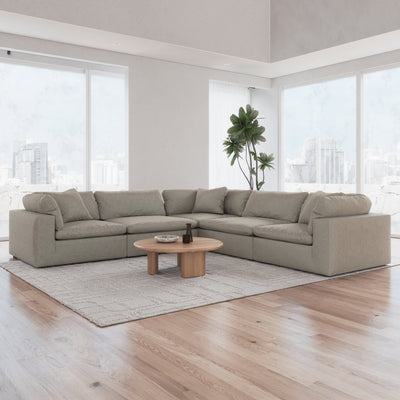


Sleeper sofas used to mean a lumpy mattress bolted inside a clunky frame. The 2026 generation is different. Memory foam, air-over-coil systems, and fold-out mechanisms that deploy in 10 seconds have changed the category. Now the question is which style, which mattress, and which price tier makes sense for your living room.
This guide breaks down the best sleeper sofas of 2026 by use case, plus the specs that separate a weekend guest bed from a nightly sleeper.
Shortlist by Use Case
| Use Case | Recommended Mattress | Price Target |
|---|---|---|
| Occasional guests (monthly) | Innerspring or basic foam | $600 to $1,200 |
| Weekly guests | Memory foam, 6+ inches | $1,200 to $2,200 |
| Nightly sleeper | Hybrid air/coil, 8+ inches | $2,200 to $4,000 |
| Studio apartment primary bed | Hybrid with washable cover | $2,500 to $4,500 |
| Kids pullout | Basic foam, machine-washable | $500 to $900 |
Mattress Types Compared
- Innerspring: classic, bouncy, often lumpy at the fold. Fine for 1 to 2 nights a month. Skip for weekly guests.
- Basic foam: softer than innerspring, no fold lines. Good for 2 to 4 nights a month. Compresses over 2 to 3 years.
- Memory foam: conforming, quiet, no fold lines when 6+ inches thick. Good for weekly use over 5 to 7 years.
- Air over coil: self-inflating air mattress with an internal support system. Near real-bed comfort, 7 to 10 year lifespan.
- Hybrid (foam plus coils): best of both. Top comfort tier in a sleeper sofa format.
Mechanism Types
- Classic pullout: unfolds the mattress from inside. Simple, reliable, bulky when deployed.
- Click-clack: the back drops flat and the seat becomes the bed. Fast, no mattress swap. Comfort is lower.
- Daybed or chaise-convert: the chaise extends into a full bed. Very simple, works for one sleeper.
- Futon style: back and seat unfold to flat. Budget-friendly, shorter lifespan.
- Murphy sofa: wall-mounted bed with a sofa in front. Takes wall space, not floor space.
Specs That Matter
- Mattress thickness: 6+ inches for weekly use, 8+ for nightly.
- Mechanism weight capacity: over 300 pounds for nightly use.
- Frame material: hardwood or steel. Skip particleboard.
- Bed size: queen preferred. Full works in tight spaces. Twin is guest-only.
- Cushion firmness: should feel like a real sofa cushion, not a mattress disguise.
Best for Occasional Guests
A click-clack or basic innerspring pullout is enough for family that visits a few weekends a year. Focus on sofa comfort and aesthetic. The mattress being below par matters less than a couch that sits comfortably every day.
Best for Nightly Sleep
Only a hybrid foam or air-over-coil mattress holds up to nightly use. Memory foam (6 inches minimum) is the next best choice. Anything thinner will cause back pain within weeks. Plan on replacing the mattress every 5 to 7 years even on nightly-use models.
Best for Studio Apartments
In a studio where the sleeper is the primary bed, the mechanism matters as much as the mattress. Pick one that deploys in under 20 seconds so you are not fighting furniture every night. Queen-size mattress is the minimum for a primary sleeping surface.
For more small-space options, see our guide to cloud couches for small apartments.
Modular Cloud Couches for Guest Flexibility
Sofatica modular cloud couches convert to guest sleep surfaces by removing the back cushions. Comfortable for overnight visits without a dedicated sleeper mechanism.
Explore Sofatica Modular Couches


